 #01
#01Product
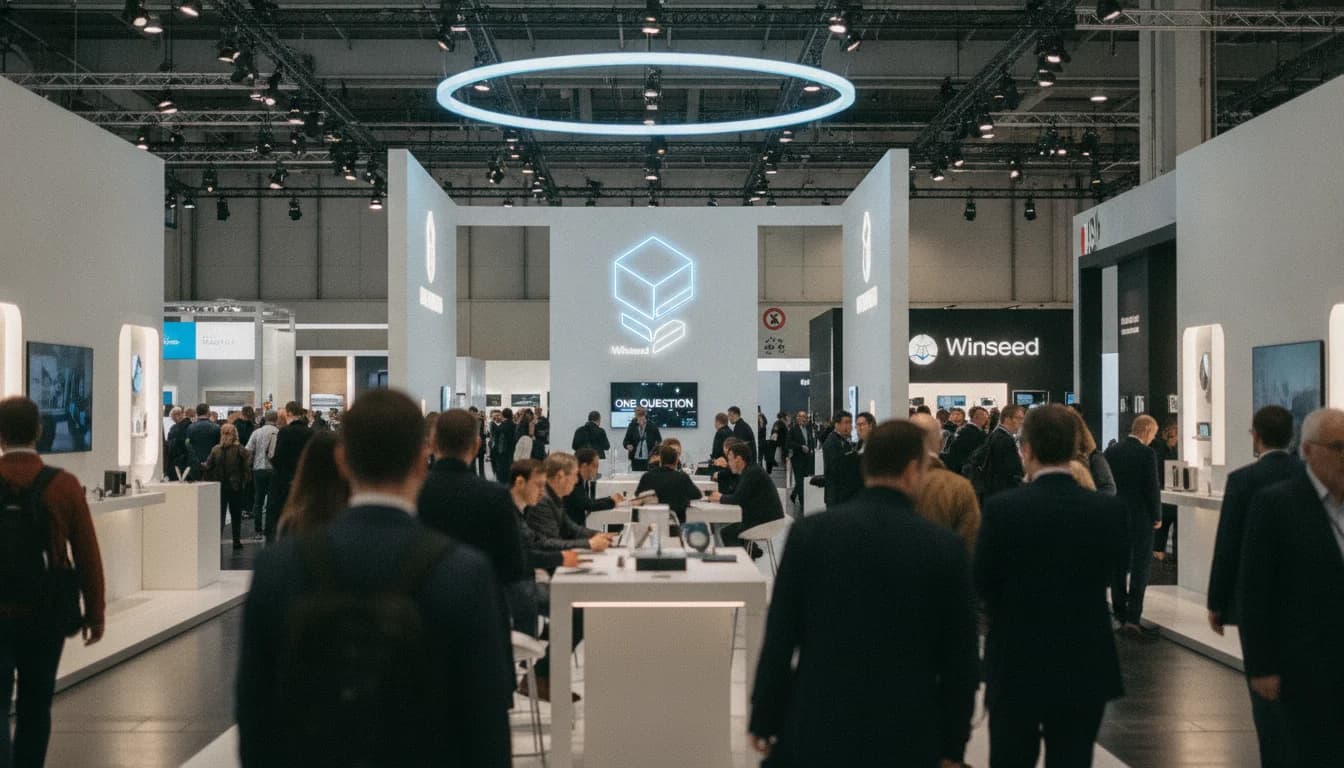
Winseed Debuts ONE QUESTION at IFA
Berlin 2026: Winseed launches ONE QUESTION AT IFA at IFA Berlin 2026 to explore AI-driven brand discovery and how brands may become the AI-recommended…
Jules Pereira / September 29, 2026
Field notes from founders turning sketches, code, capital, and stubbornness into real companies.
 Latest drop
Mika AI, a Berlin-based startup, has raised €6 million in seed funding led by Smedvig Ventures to enhance its AI-driven financial solutions for SMEs.
Shipping log
#01Berlin 2026: Winseed launches ONE QUESTION AT IFA at IFA Berlin 2026 to explore AI-driven brand discovery and how brands may become the AI-recommended…
Jules Pereira / September 29, 2026
 #02
#02Discover the new SwitchBot AI MindClip, debuting as a wearable AI assistant at IFA 2026, transforming conversations into memories and actionable to-dos.
Jules Pereira / September 28, 2026
 #03
#03Thomas Dohmke has launched Entire, a developer platform focused on human-agent collaboration in AI-driven coding, securing $60 million in seed funding…
Mira Kowalski / September 27, 2026
 #04
#04AMI Labs has raised $1.03 billion in seed funding, marking a significant milestone for AI investment in Europe and setting a new standard for…
Mira Kowalski / September 26, 2026
 #05
#05Insightful data-driven report detailing the launch of Morph AI London's soft robotics platform and its significant market implications.
Jules Pereira / September 25, 2026
 #06
#06INXM AI process execution engine pre-seed marks a new enterprise orchestration milestone with €5.7M led by Cherry Ventures and Redstone.
Mira Kowalski / September 24, 2026
 #07
#07London AI SME support package: City Hall announces £12M for AI adoption among SMEs in London, with context and next steps.
Adrian Wei / September 23, 2026
 #08
#08Toku Makimoto APAC data residency AI debuts as the first sovereign AI infrastructure in APAC, now live and operational in Singapore.
Adrian Wei / September 21, 2026
 #09
#09Deliverance AI emerges from stealth boasting an impressive £6m ARR, signaling the launch of a governance-first Agentic OS for enterprise AI.
Adrian Wei / September 20, 2026
 #10
#10Komodor Agentic Operations Platform's launch significantly accelerates autonomous production workflows with over 50 built-in intelligent agents.
Jules Pereira / September 19, 2026
 #11
#11ARC Intelligence in Berlin secures €4M seed funding to enhance its AI-native finance operating system for ERP-heavy firms, led by 42CAP.
Mira Kowalski / September 17, 2026
 #12
#12Meta's strategic acquisition of Stilla.ai accelerates the development of Meta Business Agent on WhatsApp, Messenger, and Instagram platforms.
Adrian Wei / September 16, 2026